Legacy systems capture the what, not the why.
Accounts, orders, cases. They record state. They are blind to which exception was granted, what precedent was consulted, what cross-system context informed the decision.
Network Operating System (nOS) turns every agent action into a verifiable trace — building a shared memory your whole organization can replay, audit, and reuse.
Wire any agent framework to verifiable memory.
npm install -g @origintrail-official/dkg
dkg hermes setup
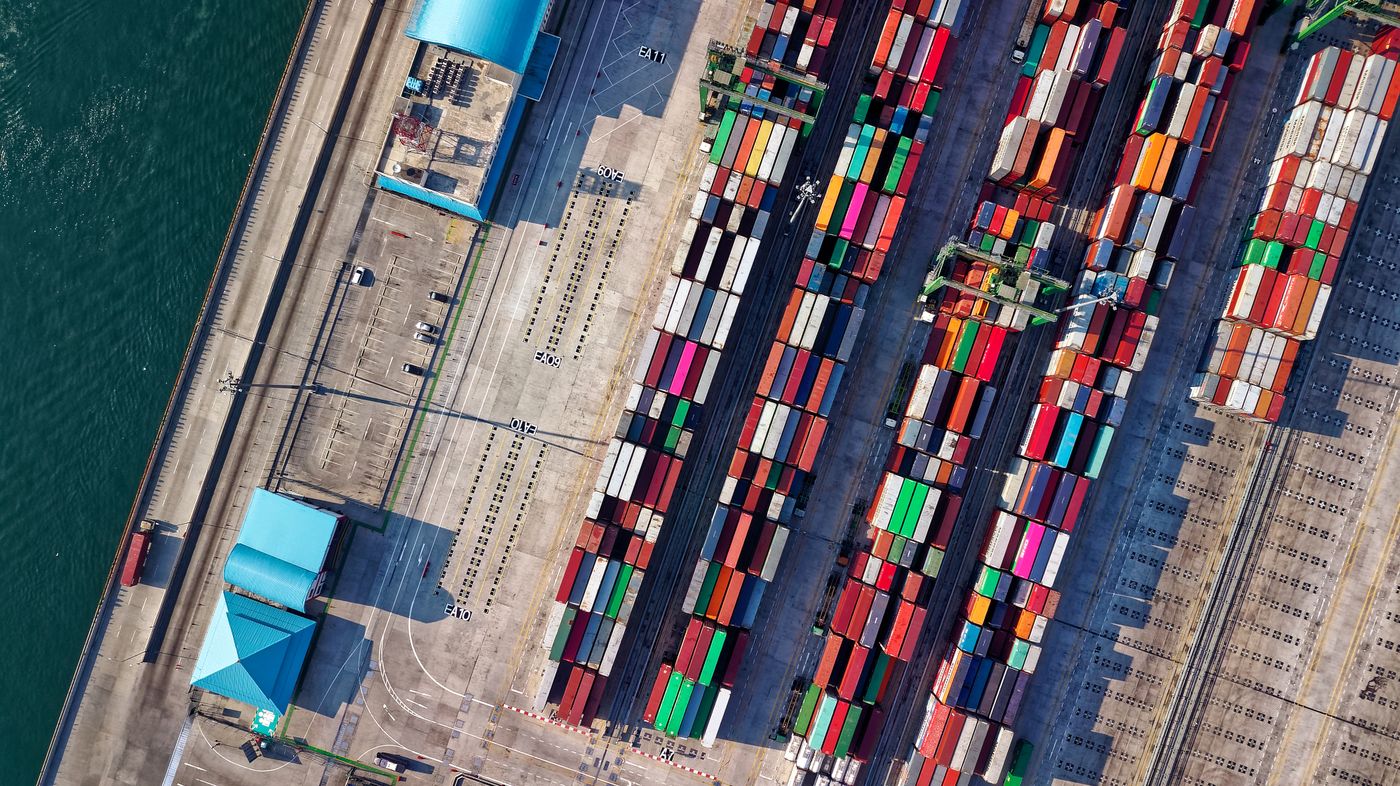
Shared context graphs connect every transfer, inspection, and compliance decision across partners. Portable. No single vendor controls the audit trail.
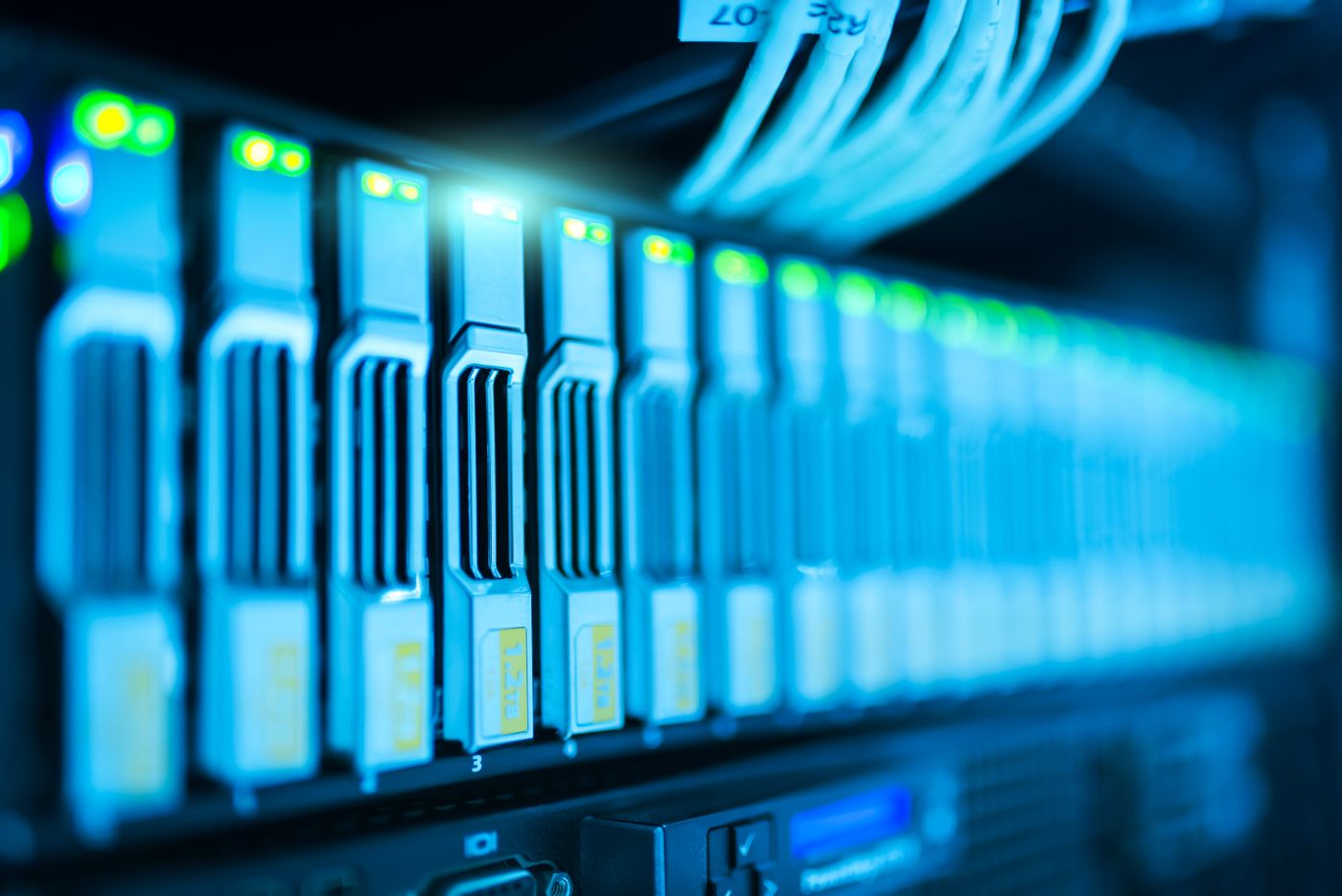
Context graphs link detections, escalations, and remediations into searchable precedent. Your threat context travels with you — not locked inside one platform.

Context graphs connect IoT sensor data, maintenance events, and cross-border tracking across rail networks. AI agents generate trusted insights from multi-operator data — no system overhauls required.

Context graphs connect drug interactions, trial data, and regulatory submissions with full provenance. Owned by your organization, not your vendor.
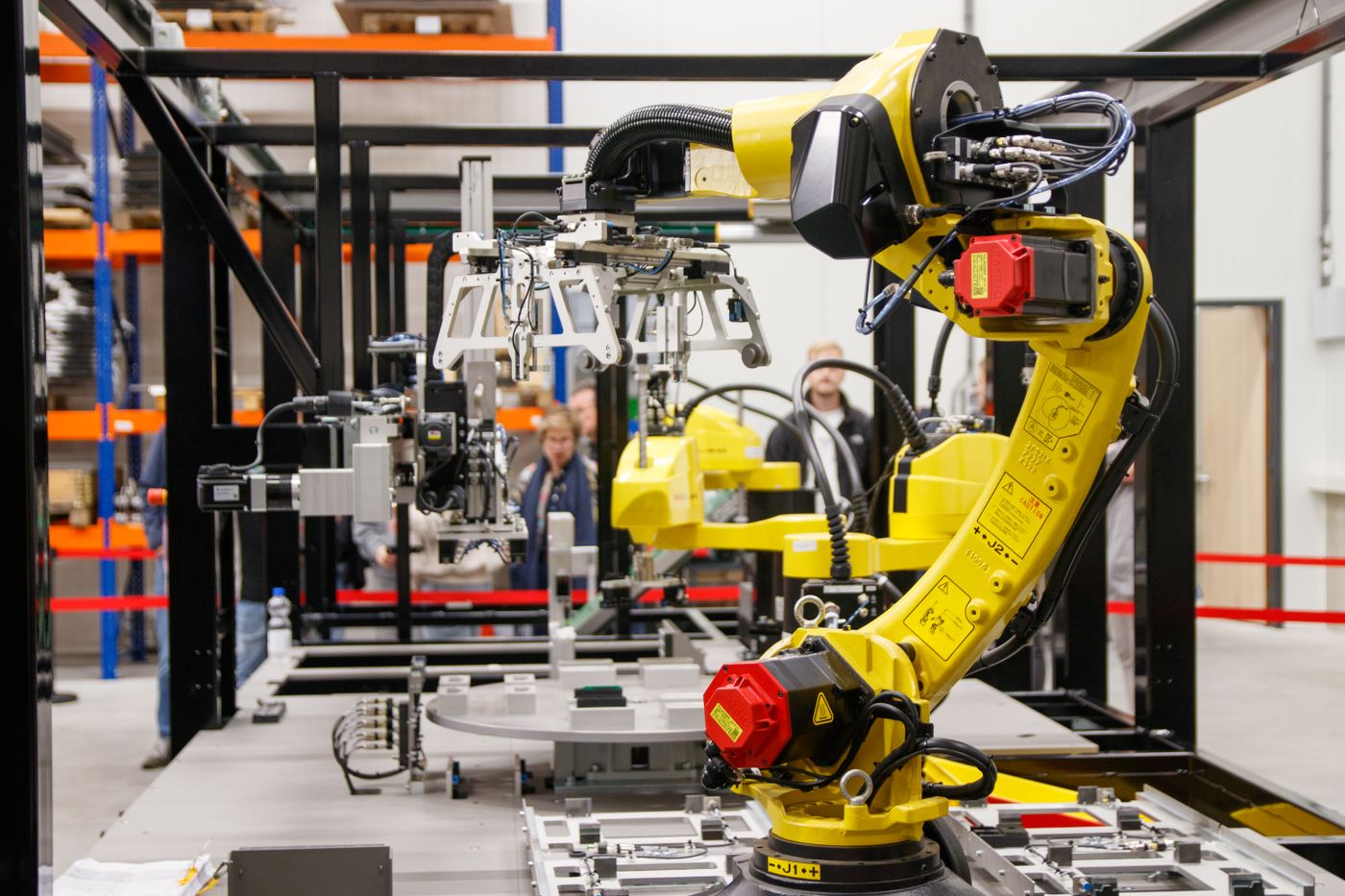
Context graphs link quality checks, process adjustments, and compliance decisions into compounding knowledge. Switch providers without losing a single trace.

Context graphs connect athlete analytics, scouting, and contract intelligence across seasons. Owned by the organization, portable across platforms.

Context graphs give institutions verifiable decision traces on the DKG. No vendor lock-in. Full democratic accountability and data portability by design.
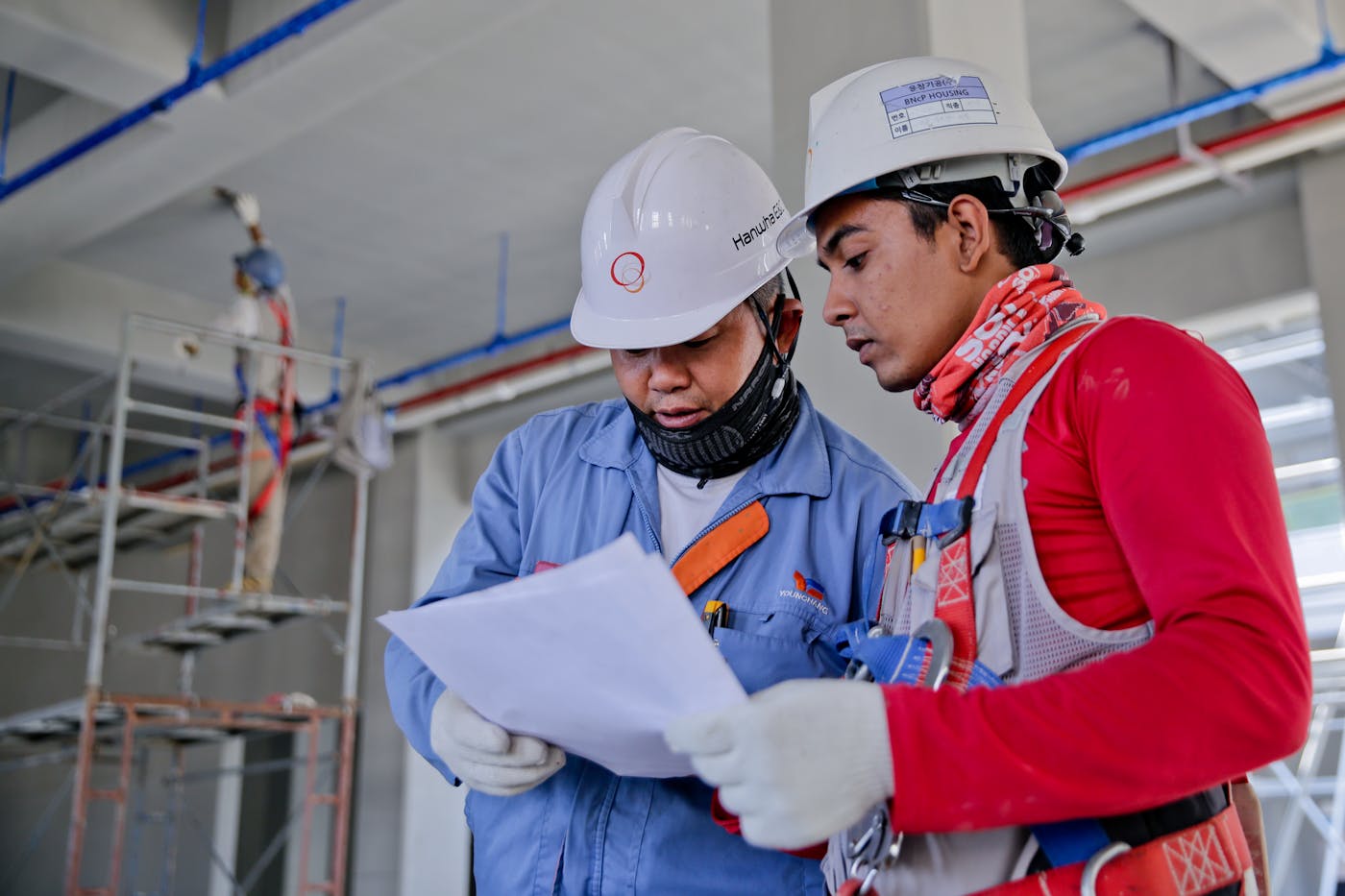
Context graphs connect stakeholders across the building lifecycle. Data persists across contractors, owners, and regulatory bodies — no single point of control.

Context graphs link every regulatory determination into verifiable, portable precedent. Auditors verify independently — no dependency on the originating platform.


Salesforce records accounts. SAP records transactions. ServiceNow records tickets. But the reasoning that turns data into action (the exceptions, the precedents, the judgment calls) was never captured. That is the gap AI agents inherit.
Accounts, orders, cases. They record state. They are blind to which exception was granted, what precedent was consulted, what cross-system context informed the decision.
Exception logic lives in people's heads. Precedent from last quarter sits in a Slack thread nobody can find. Cross-system synthesis happens on calls that were never recorded.
nOS builds a living context graph where every agent action produces a structured, replayable trace. Not what happened, why it was allowed. Traces compound into precedent. Precedent enables autonomy.
Individual memory doesn’t scale. Shared context does. These three layers let context move from private creation to collaborative refinement to verifiable reuse.
Private to agents you control. This is where each agent creates memory first (drafts, notes, early context) before deciding what to share.
Multiple agents draft, refine, and reuse context together. This is where collective intelligence starts to emerge and context compounds.
Where source, lineage, and provenance stay attached. Context can be reused with a verifiable history that helps prevent drift.
Context stays trapped in one agent, limiting reuse and continuity across workflows.
Context compounds across agents while verifiable history helps prevent drift.
Legacy systems get more expensive with every agent you add. nOS gets cheaper. Coordination overhead drops as the shared memory grows.
Every decision trace becomes precedent for every future agent. Agent 50 inherits the compounded intelligence of agents 1–49.
Unlike databases that slow as they grow, shared context graphs become more useful with scale. More agents, more traces, richer precedent.
Token spend, compute, and coordination all decrease per agent as the graph grows. Economists call this sublinear scaling — no legacy stack can replicate it.
One agent creates context. Others refine and reuse it. The 50th agent starts with everything agents 1–49 already learned.
Audit logs record that something happened. Decision traces record why it was allowed to happen. That is what regulators, auditors, and enterprise compliance actually need.
Independently verifiable and owned by you, not Trace Labs. Replace us with a self-hosted instance anytime, zero data loss.
Wherever enterprises make decisions that matter (regulated, high-stakes, cross-organizational), nOS provides the verifiable AI infrastructure that legacy systems cannot.
Traceable handoffs from source to shelf.
Learn moreThreat intelligence that compounds across agents.
Learn morePredictive maintenance powered by shared context across operators.
Learn morePatient data sovereign. Clinical evidence verifiable.
Learn moreProduction intelligence that compounds on the factory floor.
Learn morePerformance data with unbreakable provenance.
Learn moreSovereign AI for energy, transport, and national security.
Learn moreEvery compliance decision attached to the building’s digital twin.
Learn moreCompliance with end-to-end decision traces.
Learn moreInternet pioneer · Turing Award · inventor of Ethernet

“We live in a time of abundant connectivity and abundant misinformation. The OriginTrail Decentralized Knowledge Graph is an evolving tool for finding the truth in knowledge. Knowledge graphs improve the fidelity of artificial intelligence.”
Early investor · Twitter, Square, Coinbase

“OriginTrail connects the dots between physical and digital supply chains, making real-world assets trackable and verifiable.”
Group Director of Innovation, BSI

“Trust is transparency and transparency is trust. Understanding decentralized knowledge graphs can be a bit complex, but what I am excited about is how companies like The Home Depot and SCAN are willing to go ahead and experiment. We have demonstrated very clearly practical applications of decentralized knowledge graphs. This is real world stuff. Digital trust is solving real world problems.”
Global Manager, Trade Risk & Export Compliance, The Home Depot

“It has been kind enough to partner with BSI and OriginTrail to really take a circumstance where competitors in a marketplace are able to utilise the technology to provide value-added services to their individual organizations while maintaining the integrity of their own proprietary data.”
AMYP Ventures · Piëch-Porsche family office & Umanitek Chairman

“OriginTrail's technology is proven, having gone through several iterations. Its application in tracking and authenticating both physical and digital assets is vital in addressing the upcoming challenges of AI.”
Create Knowledge Assets, build shared context graphs, enshrine decision traces. Open-source infrastructure. Community support. Zero cost.
Custom agent frameworks (Hermes, OpenClaw, LangChain, Claude). Custom data pipelines. Custom integrations with your enterprise systems. Dedicated infrastructure and support.


